

For professionals
It adds to what you already do.
Microcurrent runs in the microampere range, at frequencies chosen for the tissue: recovery after effort, inflammation and drainage, tendon and ligament work, the nervous system. It replaces nothing you already do — it runs alongside your hands, alongside veterinary treatment, and on the days you are not there.
For a practice, that is more to offer. For a yard, it is horses kept closer to their best.
What microcurrent is
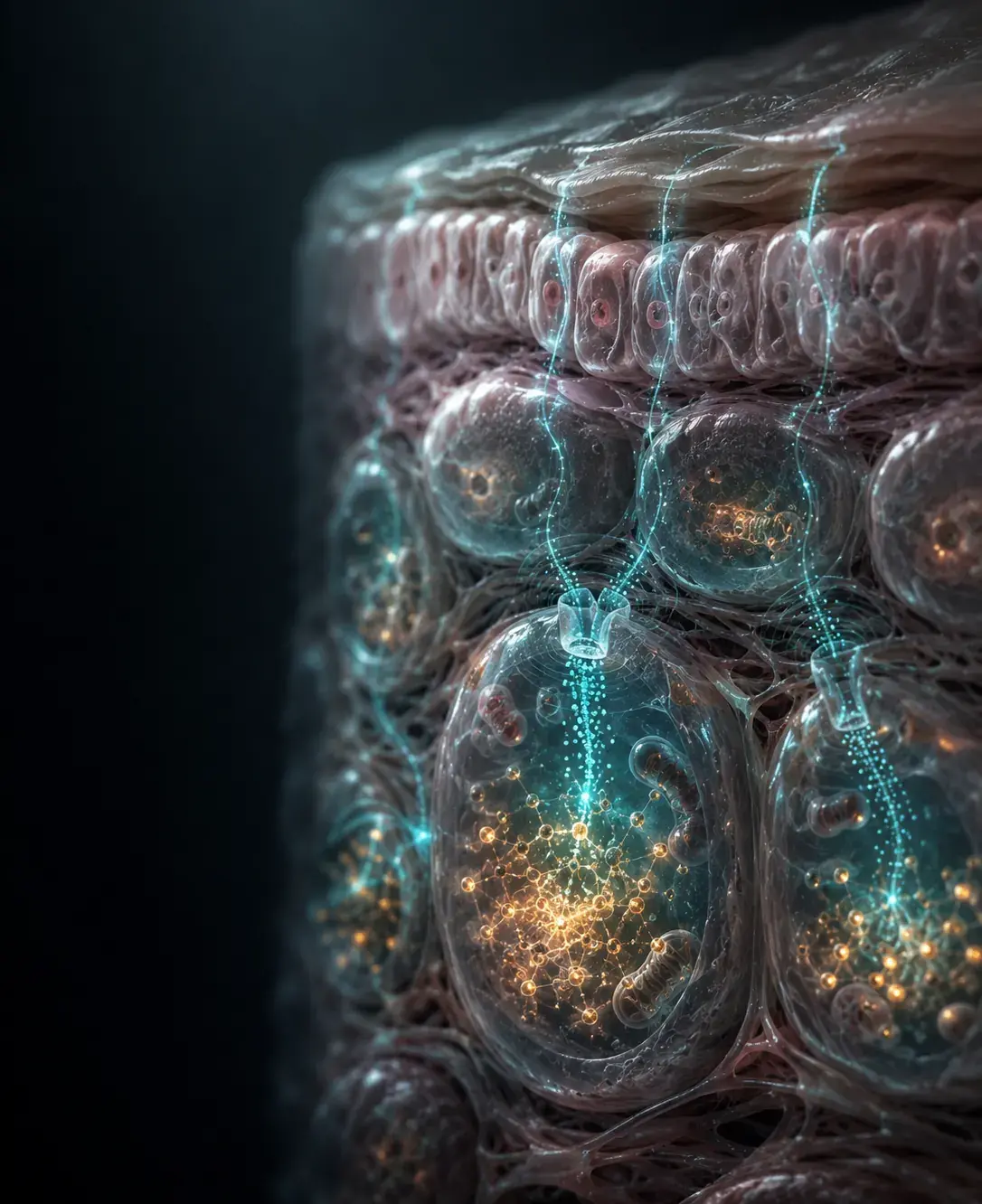
The current runs in microamperes, millionths of an amp, below the level that produces a muscle contraction. At that scale it works with the body's own electrical activity rather than overriding it. The frequency is chosen for the tissue being treated, so each program carries the ones it was written for.
What the research shows
Cheng's 1982 laboratory work on rat skin found that currents below 500 µA raised ATP production, protein synthesis and membrane transport — and that the effect was lost above that threshold. The most recent is Maastricht University, 2022: frequency-specific microcurrent after resistance training improved self-reported recovery and mood and reduced training-related fatigue, in human participants.
What it adds
- To a physiotherapist or osteopath
- A modality that works while you do something else, and one that goes where your hands go — the current runs through conductive gloves and hand electrodes as readily as through adhesive pads. And it is something you can leave with a client, so the work continues between visits.
- To a vet
- A non-pharmacological option to run alongside treatment. The library includes a post-operative series, written for the days after surgery.
- To a yard or team
- Treatment on your own schedule rather than a visiting practitioner's: recovery after work, before a class, and on the days between. It becomes routine instead of an event, and the same device runs through the whole season, keeping horses at their best.
What you may use at an event
At an FEI event, electrical therapy is split in two. TENS, NMES and interferential current are Restricted under Article 1063 — only an FEI-approved Permitted Equine Therapist or the treating vet may use them.
Microcurrent is on the other list. Article 1062 §1(j) makes it a Non-Restricted Supportive Therapy, which means the person responsible for the horse, or their support personnel, may run it in his stable at the show. Nothing to arrange, and nothing that depends on who is on the ground.
FEI Veterinary Regulations, 2026 edition, clean text.
Between your visits
A second device changes what happens on the days you are not there. A practice can buy a Baby and lend or rent it to a client: the owner runs the program you chose, and the work you did on Tuesday continues until you come back.
It is a second device rather than a second treatment room — small enough to travel, adhesive pads only, and nothing for the owner to judge beyond starting the program you named.

Which device, or both
- B-E-St PROWhere the work is done. 5 independent channels, so two horses can be under treatment at once. Biofeedback that shows how the tissue responds, hand tools on the fifth channel, and a profile per horse with its treatment history. The whole library: 140+ equine programs. It needs mains power. Quoted on enquiry.
- Baby B-E-StWherever the horse is. 2 channels, adhesive pads, battery-powered. 21 programs on the device, from the 73 available to it. € 1.695 excluding VAT.
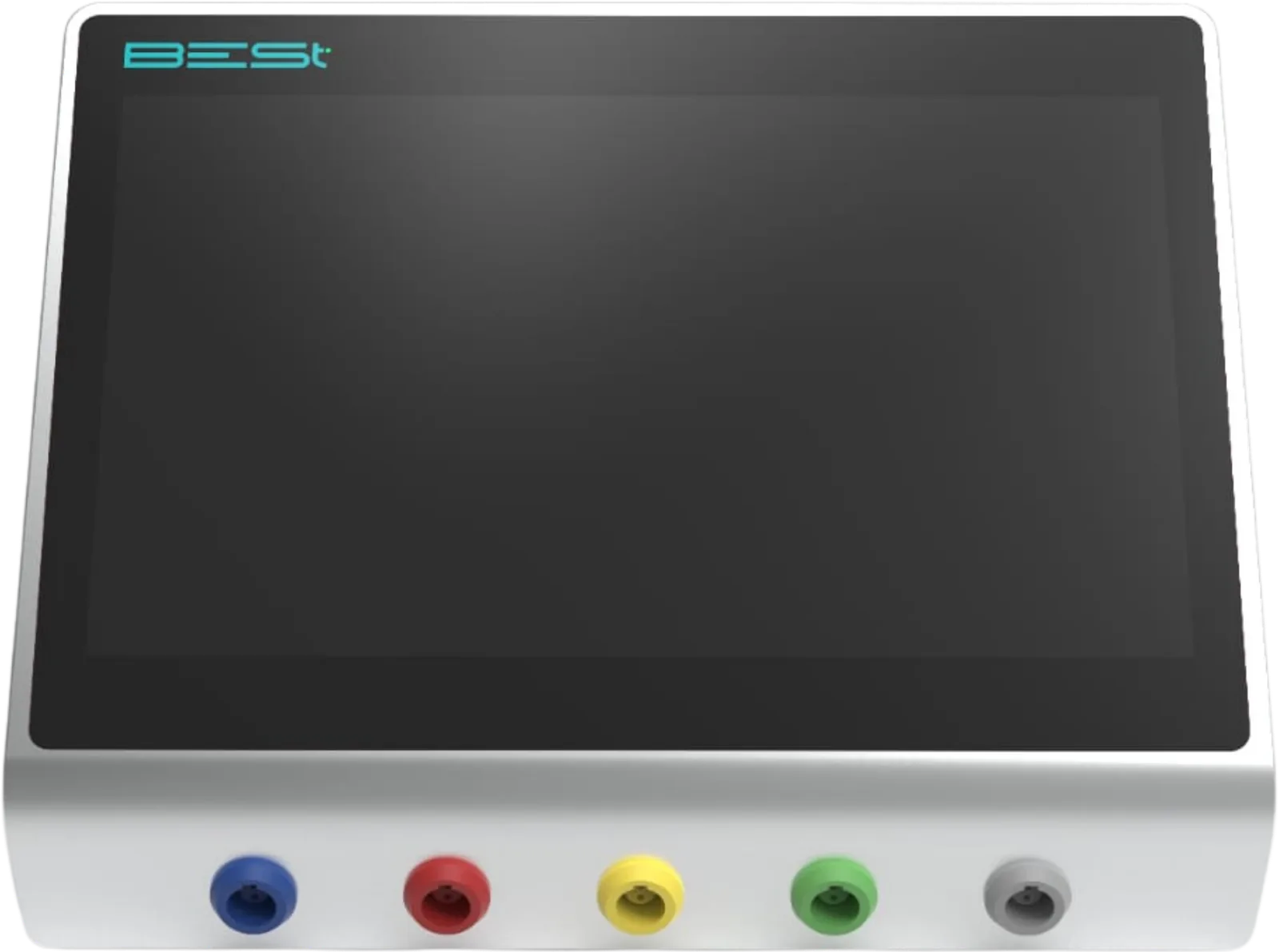
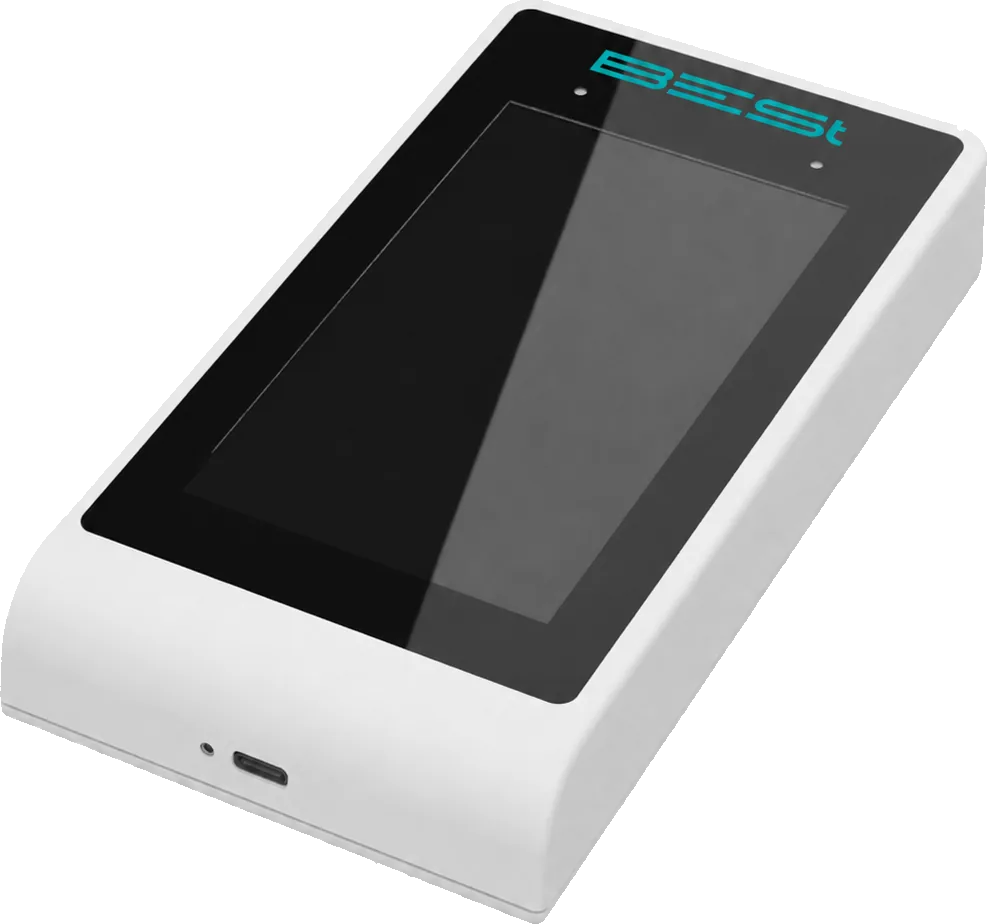
They are not alternatives — the PRO does what the Baby cannot, and the Baby goes where the PRO might not.
Training and support
Training for practitioners runs regularly on the human side, at the JeeCee Academy in Bassevelde. An equine program is in preparation.
The Academy is run by Frank Marico — a physiotherapist with a master's from Ghent University, more than forty years in sport and rehabilitation, and clinical work with Olympic swimming and rowing squads and with first-division football, basketball and volleyball teams. He has been using and teaching this technology for over a decade.
A number of equine practitioners have been using B-E-St for years. Some are willing to talk to someone starting out — ask, and we will see who might be able to help.

In practice
After 25 years of practice as an equine veterinarian, I discovered the possibilities of frequency-specific microcurrent with the B-E-St device.
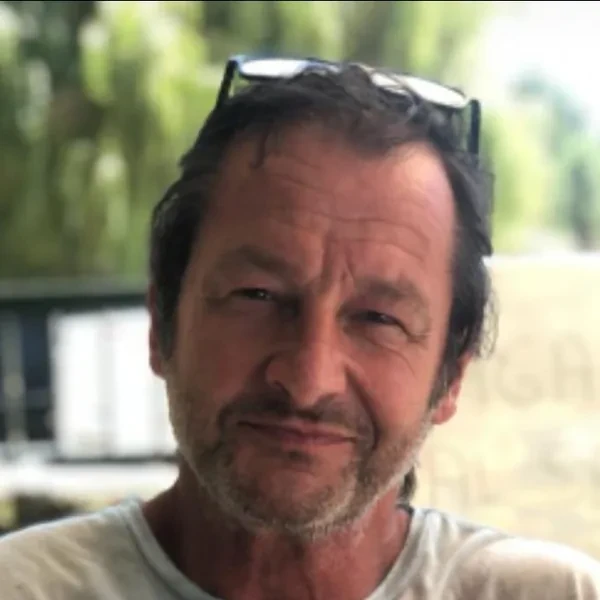
Dr Peter Wijnendaele
DVM · FEI official vet 4* · Belgian Endurance team vet 2004–2012, team farrier 2014–2017
As a human and equine osteopath I use B-E-St on a daily basis. I have experienced significant reduction in healing time.
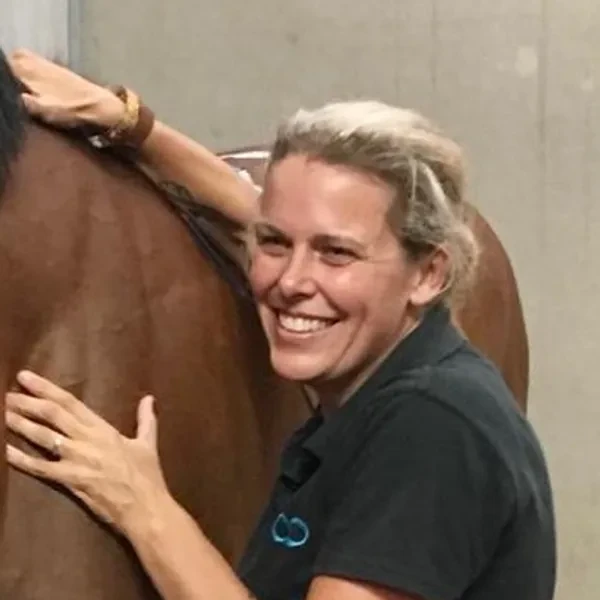
Robyn Taylor
Human and equine osteopath
Enquire
Ask us for prices, and anything else you want to know. We will come back to you ourselves.